Septoplasty
Surgery for a Deviated Septum in Sydney
Septoplasty is a surgical procedure to correct a deviated nasal septum – the thin wall between the two nostrils that helps regulate airflow. When the septum is displaced or bent, it can obstruct breathing, cause chronic congestion, and contribute to snoring or sinus infections.
Dr Arjuna Ananda performs septoplasty to restore proper nasal function, helping patients breathe more easily and improve their overall quality of life.
Symptoms of a Deviated Septum
You may be a candidate for septoplasty if you experience:
- Chronic nasal congestion, often worse on one side
- Difficulty breathing through the nose
- Recurrent sinus infections
- Frequent nosebleeds
- Facial pressure or headaches
- Snoring or disrupted sleep
Causes of a Deviated Septum
A deviated septum may be present from birth (congenital) or result from trauma, injury, or inflammation. In some cases, it becomes more noticeable with age as nasal tissues change.
What to Expect During Consultation
During your initial consultation, Dr Ananda will:
- Review your symptoms and medical history
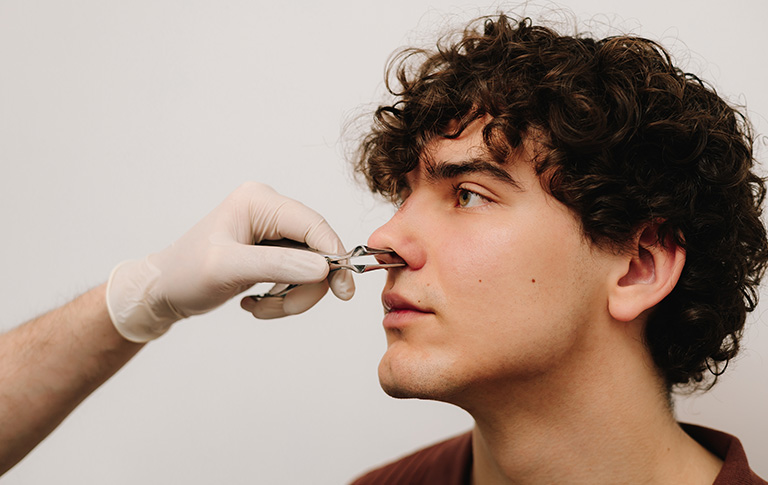
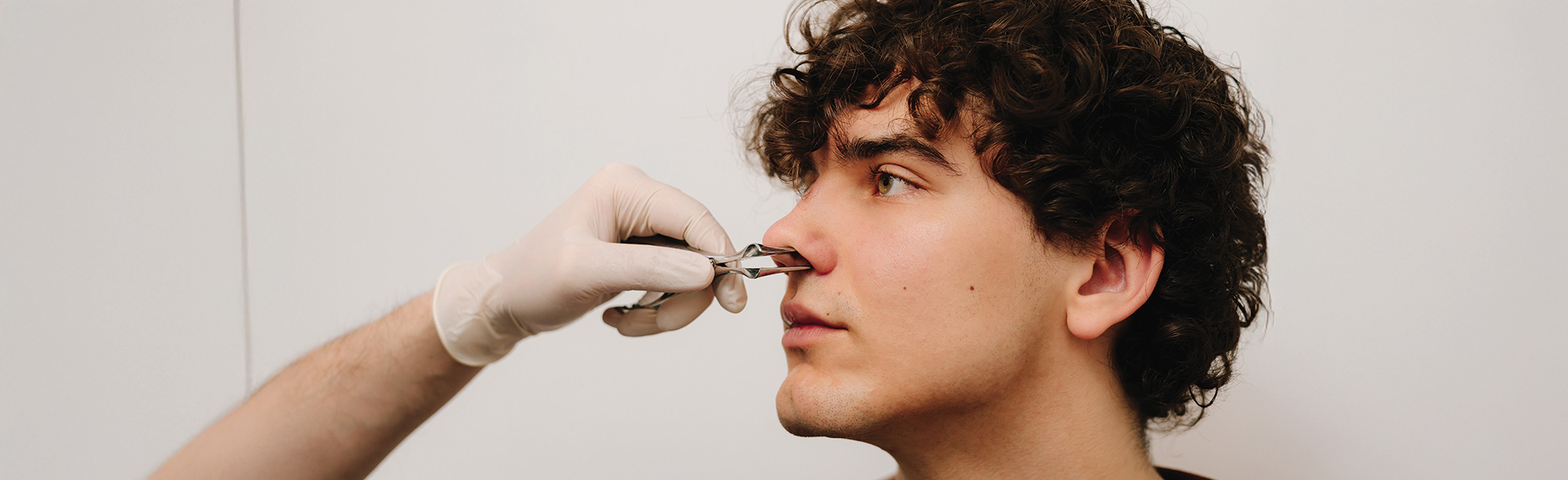
- Perform a nasal examination, sometimes with an endoscope
- Assess the severity of the septal deviation
- Discuss treatment options, including whether surgery is appropriate
- Recommend imaging, such as a CT scan, if sinus disease is suspected
How Septoplasty is Performed
- Anaesthesia: Surgery is performed under general or local anaesthetic with sedation
- Approach: A small incision is made inside the nostril – no external scars
- Correction: The cartilage and bone causing blockage are reshaped or removed
- Support preserved: The structural support of the nasal tip is maintained
- Additional procedures: In some cases, turbinate reduction is performed at the same time
Most patients return home the same day after surgery.
Recovery and Healing
Recovery is usually straightforward. You can expect:
- Mild swelling and congestion for the first 1–2 weeks
- Return to work or light activity within a week
- Avoiding strenuous activity for 2–3 weeks
- Full healing and noticeable improvement in breathing within a few months
Follow-up visits are scheduled to monitor the healing process and ensure the best possible outcome.